The Summary
No time to read the whole article? Here are the quick points you’ll need to know.
- Hail damage (even if it’s minor) can lead to expensive mould problems.
- Factors like roof pitch, design, and material play a key role in protecting against hail.
- Metal and ceramic materials tend to be more durable, but you should also consider other environmental factors, like heat, when making your final decision on roof design.
Why Hail-Resistant Roofing Matters in South East Queensland
From the idyllic lifestyle to the days of sunshine, South East Queensland’s climate is famous for many things. While it’s a great place to live and a beautiful place to build a home, it’s not without its climactic hazards. A Queensland storm isn’t complete without a little hail. Here, more than perhaps almost anywhere else, hail needs to be a consideration when you’re selecting your home’s structure. One of the most common issues seen after storms is roof damage – and without appropriate action, it can lead to serious structural damage. Choosing the right roofing materials can significantly improve your chances of coming out of storm season safely. As a construction and claims handling business based in South East Queensland, we’ve restored roofs on thousands of hail-damaged homes, and guided families and businesses through the best way to protect their homes going forward. We’ll give you the inside knowledge on the best roofing materials for hail resistance, as well as give you factors to consider when planning a replacement or repair, and tips for homeowners.
How Hail Damages Different Roof Types
Hailstorms cause damage to your home in more ways than one!
There isn’t one specific hail-proof material, either – hail dents metal and compromises gutters and flashing. It can even cause structural damage to internal parts of your roof if they’re exposed in any way.
But it’s not just the force of their impact that can lead to dents and cracks; it’s the water penetration that can come as a result. Damage to your gutters or flashing caused by hail can quickly lead to moisture ingress, which, of course, leads to mould. Your roof, as your house’s primary protection against the elements, needs to stay as strong as possible to prevent the carnage that comes with a mould infestation, especially in a humid climate like SEQ! Even minor impact can lead to major damage – it only takes one impact point to start a leak.
So, as a priority, after a hailstorm and as part of your post-Summer-storm-season home maintenance, a professional inspection is crucial. We understand that intensifying weather patterns make that sound like a bit of an intimidating ask, so we offer free inspection services all year round. Having been locals here for decades, we’re extremely familiar with the environment, the insurers, and the kinds of damage that a Summer storm can do – your home is in safe hands with our experienced inspectors.
Key Factors to Consider When Choosing a Hail-Resistant Roof
There is no silver bullet against a hailstone. But this doesn’t mean you shouldn’t put hail-proofing your roof at the top of your priority list when you’re renovating or building.
Did you know that it’s about more than just the building supplies? Here are a number of factors that contribute to a hail-resistant roof – starting, of course, with the materials.
Types of Roofing Materials
You should, of course, consider the durability and impact resistance of the material you’re using to build your roof. But you should also consider how easy or difficult it is to replace the material, should you need to. Some materials can be replaced individually or in sheets, while other materials – like bitumen and membrane roofing – will need to be replaced in much larger segments, often attracting higher material and labour costs. Other materials, like standing seam metal roofing, are purpose-built for weather resistance and leak prevention. You’ve got plenty of choice, so you can find something to fit your budget and situation.
Roof pitch and roof design
Architectural style can – in fact – protect your home! A low-slope or flat roof is – generally speaking – the most likely to be damaged by hail. Roofs with higher pitches deflect hail more easily than low-pitch roofs, but can be slightly more difficult to install. Consider the design of your roof as a whole and remember that more complex designs – like a gable roof – can create spaces for hail or water to collect, and will be more vulnerable to damage.
Maintenance over time
A neglected roof is a hazard come storm season – it doesn’t matter what it’s made from. Harsh weather conditions can wear down any roof – it’s crucial to keep up a regular inspection and maintenance schedule. Keep gutters clean and inspect for damage where relevant – not just when you suspect a leak.
Cost versus long-term protection
Remember – a roof replacement is going to be a significant expense, and so choosing long-lasting roofing materials tends to save you in the long run. Choosing a material that can stand decades in the Australian sun can save you continuous replacement costs over a number of years. Consider any upfront costs in relation to their hardiness and longevity.
Compatibility with local climate conditions in South East Queensland
Did you know that the right roofing choice can reduce cooling costs? It’s not just about strength – it can be about all kinds of extreme weather. Some darker-coloured roofing materials retain heat, and a flat pitch (or only a very slight pitch) can catch much more of an impact than a sloped one. From energy efficiency to common architectural style choices in your neighbourhood, location plays a big part in choosing the right type of roof.
Insurance considerations
Certain roofing materials – like standing seam metal roofing – can even help you in the insurance process. The more durable your roof is against extreme weather, the lower your premiums could be. Metal roofing tends to score well in Queensland – it makes sense that they’re some of the most popular roofing materials in the state.
Best Roofing Materials for Hail Protection
Metal Roofing (Colorbond or Steel Roofing)
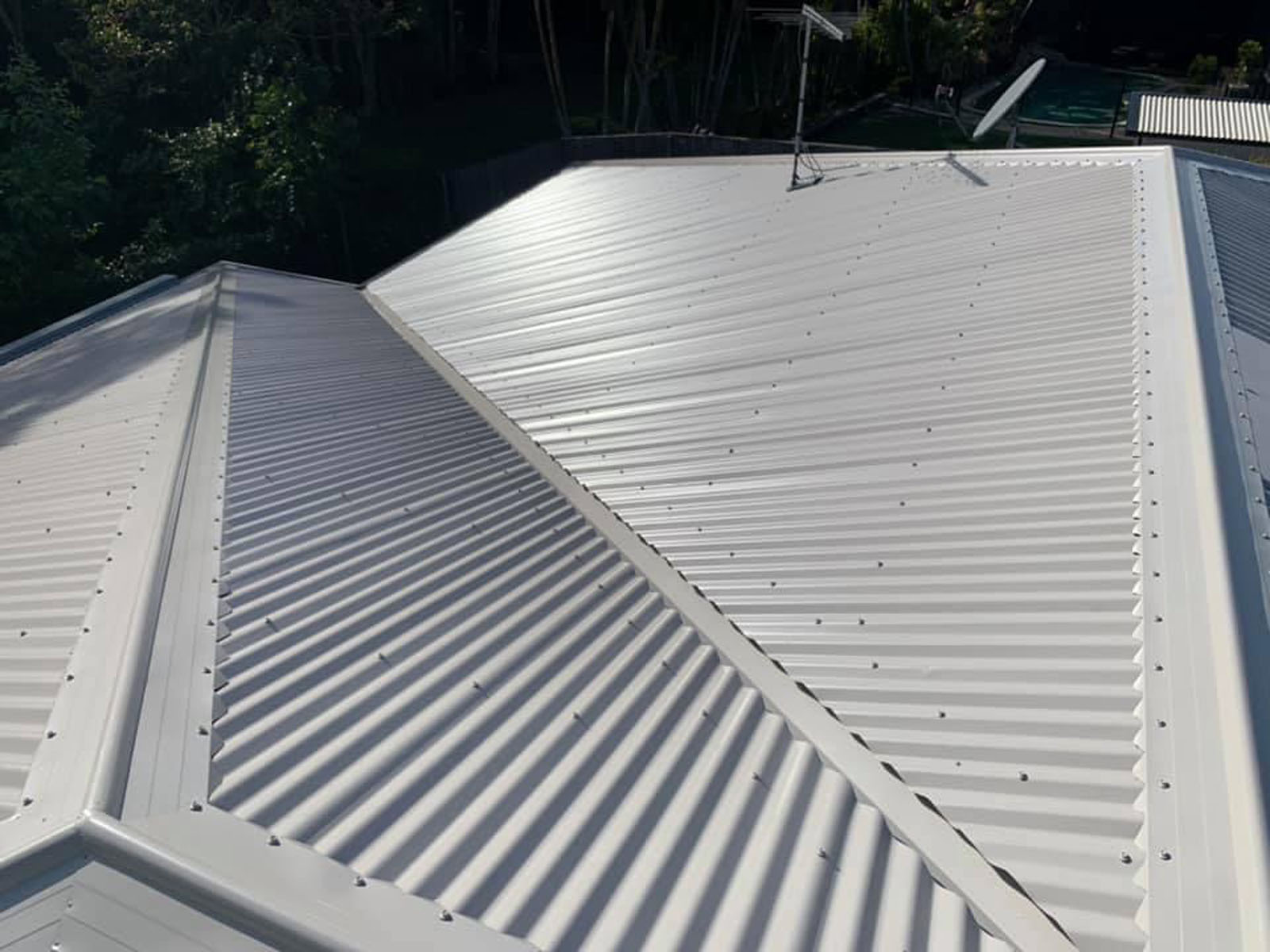
Metal roofing is popular for a reason! Steel is a top pick, as it balances impact resistance and weight. Aluminium roofing, too, is a solid choice, but may be more susceptible to denting than steel, as it’s softer. Metal roofing is also commonly referred to as one of the most long-lasting options.
Impact-Resistant Roofing Products
Specialised roofing materials, like composite roofing systems, tend to be designed for their strength and storm resistance. Certain reinforced metals and composite metal roofing can really go the distance. We’ve seen plenty of types of roofs throughout our time in the industry – we’re always happy to recommend the roofing material that we think balances your home’s design with the roofing material’s durability.
Roofing Materials That May Be More Vulnerable to Hail
So, which roofing materials should you avoid? The key factors here tend to have more to do with age and material quality than the type of roof you choose. Older roofing materials – of course – degrade over time, and while many types of roofing materials can last decades, there is no “forever” material that is completely immune.
When it comes to cosmetic damage from hail, thin metal roofing can be an unsuitable choice – dents show up easily and occur readily. But above all else, it’s installation that can make or break your build. We see it time and time again: a poorly installed roofing system is a huge risk factor in a storm of any magnitude.
The Role of Roof Installation Quality in Hail Protection
It doesn’t matter how strong a roofing material is if it becomes dislodged! Or if it’s installed incorrectly. The quality of your roof materials needs to be matched by the quality of the workmanship. Correct fastening, flashing, and sealing are essential – never try to replace a quality roofing contractor with your own DIY. Even what seems like a minor repair can be highly dangerous: to you and your home.
What to Do If Your Roof Has Been Damaged by Hail
After a hailstorm, there are a few steps that every homeowner can take to prevent further damage to their homes.
- Inspect visible roof damage safely from the ground: check your roof (without climbing up there, of course), even if you feel like you’ve gotten through relatively unscathed. There’s no way of knowing for sure if your roofing materials have been damaged – unless you look!
- Document damage with photos: As soon as you can, get some pictures of the suspected damage. Don’t take risks in trying to get the photos – your best point of view is good enough!
- Contact a professional inspection service: Our inspection is free of charge and can give you a complete picture of what needs to be done (if anything).
- Lodge an insurance claim if damage is confirmed: We’ve got years of experience helping guide Australian homeowners through this process – we’re here to help you as you lodge and resolve your claim.
Choosing the Right Roof for Long-Term Storm Protection – Final Thoughts
From the type of roof to the type of contractors you choose to install and maintain it, your roof is more complex than you may have given it credit for! Choosing the right types of roofing materials is just one (highly important) step in protecting your home. Our role throughout the whole process is to help homeowners coordinate the complexities: from inspections to reports, claims support, and repairs, we’re on your side! As the “calm after the storm”, we strive to help you make your home a safe and stable place once again. We’re here for you, rain, hail or shine – get in touch!