TL;DR:
- Hail damage to your roof surface often isn’t visible from ground level, so even a storm that looks mild can hide costly issues like cracked flashings or blocked gutters.
- A thorough roof inspection checklist covers roofing materials, gutters, skylights, solar panels, and the outdoor structures around your property, not just the roof itself.
- Skip the ladder. Leave detailed inspections to trained building inspectors with proper safety equipment. This is a job for professionals, not homeowners.
- Book a professional roof inspection soon after a storm; insurers expect timely reporting, and a detailed report with photo evidence makes for a stronger, faster claim.
- Metro Hail offers free roof inspections across South East Queensland and works for the homeowner, not the insurance company, from inspection through to full roof replacement.
Why every roof should be inspected after a hail storm
After a hailstorm rolls through, most homeowners glance up from the backyard, see nothing obviously wrong, and get on with their week. The problem is that hail damage is rarely visible from ground level. Dents in colour bond roofing and cracked ridge capping are easy to miss unless you know exactly where to look.
Even a storm that seemed unremarkable can leave behind real structural damage. A small crack can lead to water intrusion and moisture build-up that — if left unchecked — can lead to much more serious and expensive repairs down the track. Insurance policies also tend to have windows for reporting damage, so acting quickly protects both your roof’s lifespan and your ability to claim at all.
“The damage homeowners miss most often isn’t the roof surface itself, it’s the flashings, the gutters, and the fixtures around vents and skylights. Metro Hail has spent years helping homeowners across South East Queensland navigate exactly this, from the first inspection through to a completed insurance claim.” says a Metro Hail inspection specialist.
Why roof inspections matter after hail
Hail damage doesn’t always announce itself immediately. A small dent in a metal roof might not cause a leak today, but left untreated, it worsens with every rain event. That’s why regular roof inspections — not just a one-off after the “big” storm — matter for proactive maintenance and for keeping long-term maintenance costs down.
There’s also a claims timing issue: most policies require damage to be reported within a set timeframe, and a documented, dated inspection turns “I think my roof might be damaged” into evidence an insurer can act on.
Metro Hail has seen this play out repeatedly, with homeowners initially convinced their roof was fine, only for a detailed assessment to reveal impact marks and cracked capping that had gone unnoticed for weeks. A professional inspection creates a documented record — photos, notes, and an inspection date — that supports the claim and speeds up reporting with the insurer.
Safety first: what not to do during a roof inspection
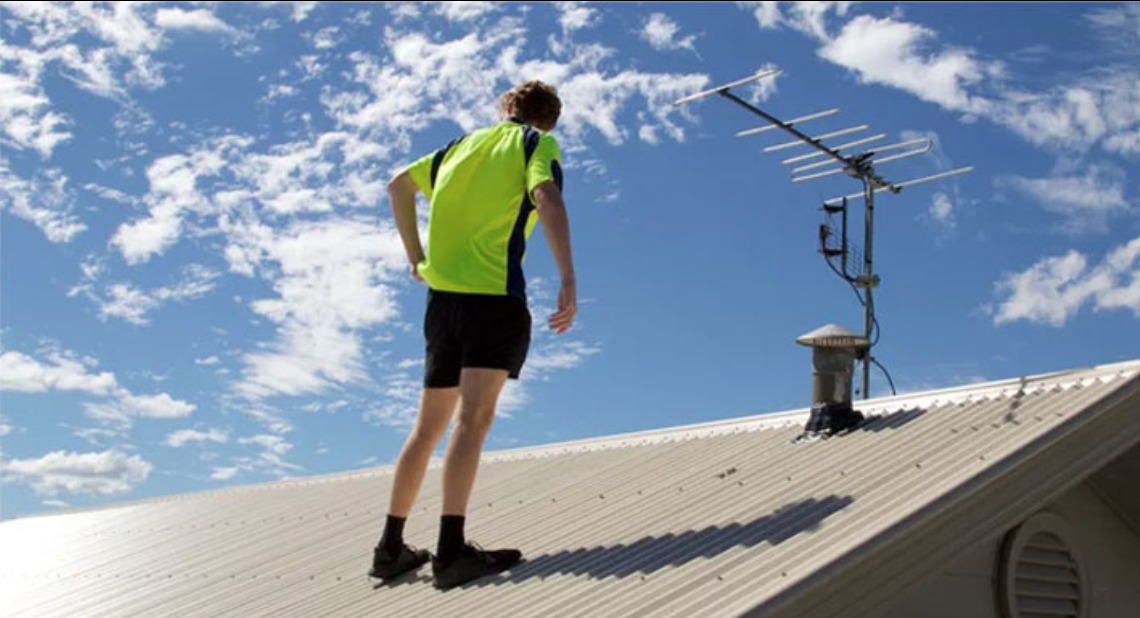
Before the checklist itself, a word on safety. Climbing onto your own roof after a storm is one of the more common ways homeowners get hurt, particularly on wet, flat roofs or older roofing materials that may already be compromised.
- Never climb onto the roof yourself, especially after rain.
- Watch for electrical hazards, loose materials, and wet surfaces.
- Do a first pass from ground level
- Leave the detailed, up-close inspection to trained professionals with proper safety equipment.
Metro Hail’s inspection team is trained specifically for post-storm assessments, so a quick and efficient inspection doesn’t come at the cost of anyone’s safety.
Roof inspection checklist: what to look for
Whether you’re doing an initial ground-level check or reviewing a completed report from an inspector, here’s a complete roof inspection checklist covering the areas that matter most after hail.
1. Dented or damaged roofing materials
Start with the roof surface itself. On metal roofing, look for dents and small circular impact marks as these are classic signs of hail strikes. A cluster of fresh impact marks after a known hail event is a strong signal something needs a closer look.
2. Damage to flashings and ridge capping
Flashings and ridge capping are among the most overlooked and important parts of any roofing inspection checklist, since they’re where water most often finds its way in. Check for bent or dented flashings and cracked mortar around ridge capping.
3. Signs of water ingress inside the home
A roof inspection shouldn’t stop at the exterior, an interior inspection tells you just as much. Inside the home, look for ceiling stains, water marks on walls, damp insulation in the attic space, and musty smells after storms. Hidden hail damage often reveals itself this way months after the event, once moisture build-up has had time to spread.
4. Damaged gutters and downpipes
Gutters and downpipes take a beating in hail and heavy rain alike. Look for dents, cracks or separation at the joints, and blocked gutters caused by debris build-up. Overflowing gutters also point to poor drainage, which can contribute to water damage elsewhere. Documented gutter damage, photographed correctly, can support a hail insurance claim just as much as roof damage does.
5. Damage to skylights, solar panels and roof fixtures
Skylights, solar panels, vents, and other roof penetrations are vulnerable points. Check for cracked skylights, damaged solar panels, broken seals, and impact marks around mounted equipment. Metro Hail inspectors regularly find damage here that homeowners assumed was limited to the main roof.
6. Check outdoor structures around your property
Don’t stop at the roof. Pergolas, carports, sheds, fences, and outdoor furniture can all show the same impact marks, and comparing damage across these structures helps establish just how severe the hail event actually was.
When should you book a professional roof inspection?
As a general rule, book a roof inspection:
- Immediately after any significant hail event, even if the roof looks fine from ground level.
- If neighbours nearby are reporting roof damage or roof work being carried out.
- If your area has recently experienced severe storm activity or high winds.
- If your home is older, or your roof already has existing wear.
Metro Hail recommends inspecting as soon as possible. The earlier the inspection date, the stronger the link between the hail event and the damage found. Metro Hail also offers free roof inspections, so there’s no cost barrier to getting a second opinion.
How a professional roof inspection helps with insurance claims
A DIY glance from the backyard won’t hold up the way a proper, detailed assessment will. A professional inspection provides a structured, independent report covering every structural component of the roof, backed by photo evidence taken from multiple angles.
This matters because insurers weigh documented, independent reporting far more heavily than a homeowner’s own description of the damage. Metro Hail’s reporting process is built around this. We provide detailed photo evidence, clear damage descriptions, and direct assistance communicating with insurers, aimed at faster, fairer claim outcomes.
“We attend the site alongside the insurance assessor wherever possible, so there’s no disconnect between what we found and what gets approved.” says a Metro Hail claims specialist.
What happens after the inspection?
Once the inspection is complete, Metro Hail talks homeowners through the findings in plain language. You’ll receive photos documenting everything found, and receive recommendations for repairs or, where the damage warrants it, a full roof replacement. From there, you will receive a detailed site damage report and claims handling support if you decide to proceed, with transparency at every step.
Book your free roof inspection today
If a hailstorm has recently passed through your area, don’t wait for a leak to tell you there’s a problem. Early inspection helps catch issues before they turn into costly repairs, protects your claim timeline, and gives you clarity on exactly where your roof stands.
Metro Hail brings years of experience, a dedicated local South East Queensland focus, and genuine claims support expertise to every job. Unlike your insurer, Metro Hail works for you, not the underwriter. The goal is simple: the best possible outcome for your home, your roof, and your claim.
Book your free roof inspection with Metro Hail today and find out exactly what that last storm did to your roof.